Hanna Instruments, Inc. | United States
Customer Support: +1 (401) 555 7463

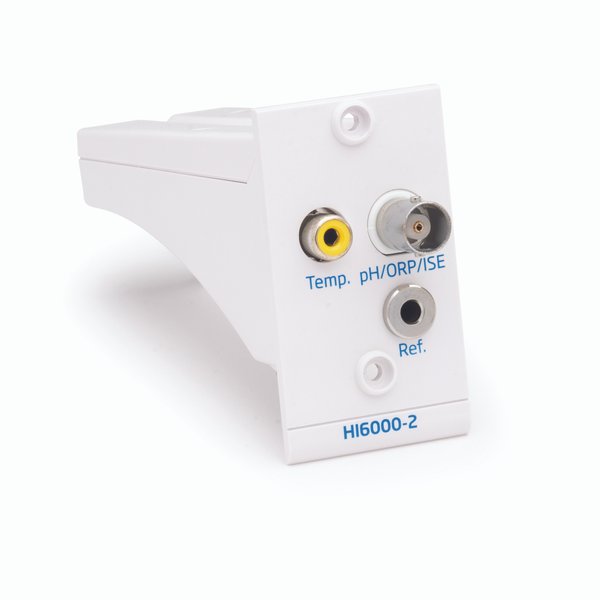
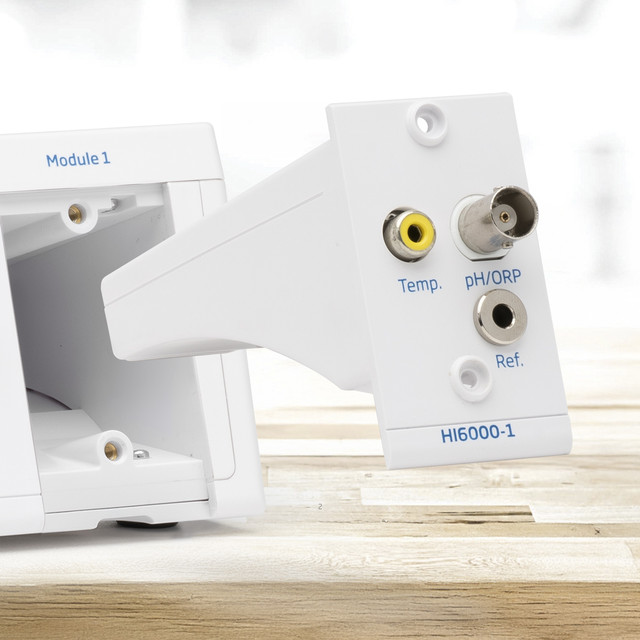
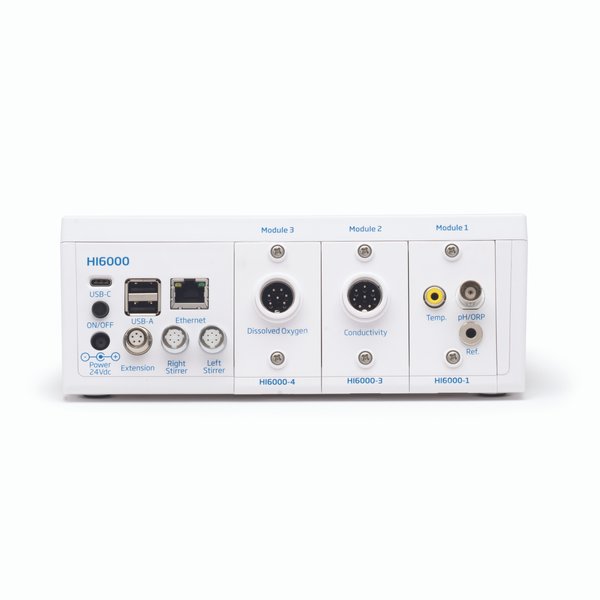
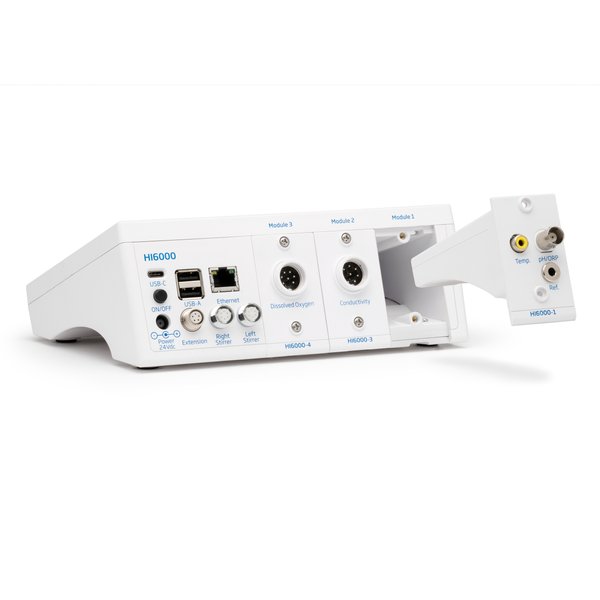
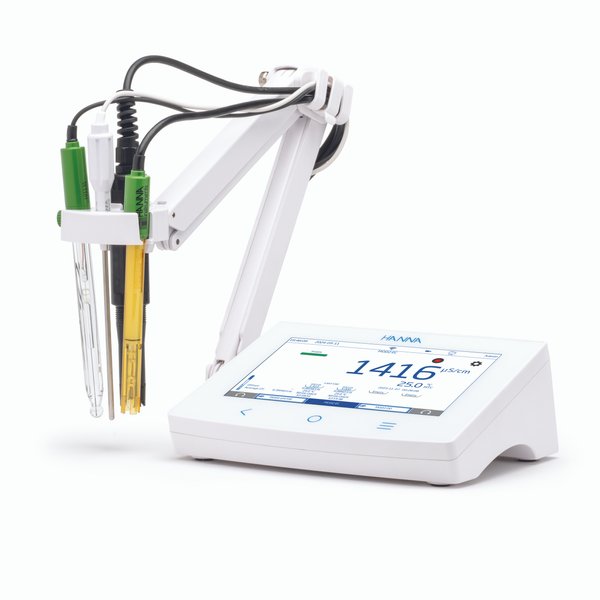
EC/TDS Module HI6000-3
$0.00
SKU:
HI6000-3
Categories Benchtop Meters, Benchtops, Benchtops - EC/TDS/Salinity, Benchtops - HI6000 Series, HI6000 Series Benchtop, TDS - Benchtops
In stock
ម៉ូឌុលវាស់ស្ទង់ EC/TDS (HI6000-3) របស់យើង គឺអាចប្រើប្រាស់បានជាមួយប្រព័ន្ធវាស់ស្ទង់ចម្រុះមុខងារ របស់យើងបានយ៉ាងល្អ។
- ជម្រើសឯកតារង្វាស់របស់អ្នក៖ ចម្លងចរន្តអគ្គិសនី – μS/cm, mS/cm, Resistivity – Ω•cm, kΩ•cm, MΩ•cm, TDS – ppm, ppt, និង ជាតិប្រៃ – (ppt, PSU, %)
- ប្រព័ន្ធណែនាំ និងផ្ទៀងផ្ទាត់ស្វ័យប្រវត្តិនឹងផ្តល់ការណែនាំជាជំហានៗ ហើយធានានូវដែនកំណត់ស្តង់ដារ USP សម្រាប់សីតុណ្ហភាព ភាពចម្លងអគ្គិសនី និងស្ថិរភាពដោយស្វ័យប្រវត្តិ ដើម្បីធានាបាននូវលទ្ធផលដែលមានភាពត្រឹមត្រូវបំផុត។
————————————————————————————————
Our EC/TDS module (HI6000-3) is compatible with our Multiparameter Modular System.
- Your choice of measurement Unit: Conductivity – μS/cm, mS/cm, Resistivity – Ω•cm, kΩ•cm, MΩ•cm, TDS – ppm, ppt, and Salinity – (ppt, PSU, %)
- Automated Guidance and Verification that provides step-by-step instructions and automatically ensures USP limits for temperature, conductivity, and stability, ensuring accurate results
ម៉ូឌុល EC/TDS (HI6000-3) របស់យើង គឺអាចប្រើប្រាស់យ៉ាងស៊ីចង្វាក់គ្នាជាមួយប្រព័ន្ធ Multiparameter Modular System របស់យើង។
- លោកអ្នកអាចជ្រើសរើសឯកតារង្វាស់តាមតម្រូវការ៖ ចម្លងចរន្តអគ្គិសនី – μS/cm, mS/cm, Resistivity – Ω•cm, kΩ•cm, MΩ•cm, TDS – ppm, ppt, និងជាតិប្រៃ – (ppt, PSU, %)
- ប្រព័ន្ធណែនាំ និងផ្ទៀងផ្ទាត់ស្វ័យប្រវត្តិនឹងផ្តល់ការណែនាំជាជំហានៗ ហើយធានានូវដែនកំណត់ស្តង់ដារ USP សម្រាប់សីតុណ្ហភាព ភាពចម្លងអគ្គិសនី និងស្ថិរភាពដោយស្វ័យប្រវត្តិ ដើម្បីធានាបាននូវលទ្ធផលដែលមានភាពត្រឹមត្រូវបំផុត។
- Your choice of measurement Unit: Conductivity – μS/cm, mS/cm, Resistivity – Ω•cm, kΩ•cm, MΩ•cm, TDS – ppm, ppt, and Salinity – (ppt, PSU, %)
- Automated Guidance and Verification that provides step-by-step instructions and automatically ensures USP limits for temperature, conductivity, and stability, ensuring accurate results
abchj
| EC Range* | 0.000 to 9.999 μS/cm; 10.00 to 99.99 μS/cm; 100.0 to 999.9 μS/cm; 1.000 to 9.999 mS/cm; 10.00 to 99.99 mS/cm; 100.0 to 1000.0 mS/cm |
| EC Resolution | 0.001 μS/cm; 0.01 μS/cm; 0.1 μS/cm; 0.001 mS/cm; 0.01 mS/cm; 0.1 mS/cm |
| ភាពត្រឹមត្រូវ EC | ±1 % of reading or ±0.010 μS/cm, whichever is greater |
| EC Cell Constant | 0.0500 to 200.00 /cm |
| ប្រភេទនៃការកាលីប្រេស្យុង EC | ស្វ័យប្រវត្តិ; សៀវភៅណែនាំ |
| ចំណុចកាលីប្រេស្យុង EC | តែមួយ, ច្រើន |
| កាលីប្រេស្យុងសូលុយស្យុង EC | 84.00 μS/cm; 1.413 mS/cm; 5.000 mS/cm; 12.88 mS/cm; 80.00 mS/cm; 111.8 mS/cm |
| សំណងសីតុណ្ហភាព EC | linear; natural; standard; disabled |
| សីតុណ្ហភាពយោង EC | Range 5.0 to 30.0 °C (41.0 to 86.0 °F) Resolution 0.1 °C / 0.1 °F |
| មេគុណសីតុណ្ហភាព EC | 0.00 to 10.00 %/°C |
| Resistivity Range | 1.0 to 99.9 Ω·cm; 100 to 999 Ω·cm; 1.00 to 9.99 KΩ·cm; 10.0 to 99.9 KΩ·cm; 100 to 999 KΩ·cm; 1.00 to 9.99 MΩ·cm; 10.0 to 100.0 MΩ·cm |
| Resistivity Resolution | 0.1 Ω·cm; 1 Ω·cm; 0.01 KΩ·cm; 0.1 KΩ·cm; 1 KΩ·cm; 0.01 MΩ·cm; 0.1 MΩ·cm |
| Resistivity Accuracy | ±1 % នៃការអាន ឬ ±1 Ω•cm អាស្រ័យលើចំនួនណាដែលធំជាង |
| TDS Range | 0.000 to 9.999 ppm; 10.00 to 99.99 ppm; 100.0 to 999.9 ppm; 1.000 to 9.999 ppt; 10.00 to 99.99 ppt; 100.0 to 400.0 ppt; actual TDS (with 1.00 factor) |
| TDS Resolution | 0.001 ppm; 0.01 ppm; 0.1 ppm; 0.001 ppt; 0.01 ppt; 0.1 ppt |
| ភាពត្រឹមត្រូវ TDS | ±1 % នៃការអាន ឬ ±0.01 ppm អាស្រ័យលើចំនួនណាដែលធំជាង |
| Range ជាតិប្រៃ | 0.00 to 42.00 PSU – Practical Scale 0.00 to 80.00 ppt – Natural Sea Water 0.0 to 400.0 % – Percent Scale |
| Resolution ជាតិប្រៃ | 0.01 for Practical Scale / Natural Sea Water 0.1 % for Percent Scale |
| ភាពត្រឹមត្រូវជាតិប្រៃ | ±1 % of reading |
| កាលីប្រេស្យុងជាតិប្រៃ | កាលីប្រេស្យុង 1 ចំណុច សម្រាប់ខ្នាតវាស់ជា ភាគរយ (%) ប្រើ សូលុយស្យុងកាលីប្រេស្យុង 100% Salinity |
| Range សីតុណ្ហភាព | −20.0 to 120.0 °C / −4.0 to 248.0 °F / 253.2 to 393.2 K |
| Resolution សីតុណ្ហភាព | 0.1 °C; 0.1 °F; 0.1 K |
| ភាពត្រឹមត្រូវនៃសីតុណ្ហភាព | ±0.2 °C; ±0.4 °F; ±0.2 K |
| កាលីប្រេស្យុងសីតុណ្ហភាព | single point, adjustable |
| EC Range* | 0.000 to 9.999 μS/cm; 10.00 to 99.99 μS/cm; 100.0 to 999.9 μS/cm; 1.000 to 9.999 mS/cm; 10.00 to 99.99 mS/cm; 100.0 to 1000.0 mS/cm |
| EC Resolution | 0.001 μS/cm; 0.01 μS/cm; 0.1 μS/cm; 0.001 mS/cm; 0.01 mS/cm; 0.1 mS/cm |
| EC Accuracy | ±1 % of reading or ±0.010 μS/cm, whichever is greater |
| EC Cell Constant | 0.0500 to 200.00 /cm |
| EC Calibration Type | automatic; manual |
| EC Calibration Points | single multiple |
| EC Calibration Solutions | 84.00 μS/cm; 1.413 mS/cm; 5.000 mS/cm; 12.88 mS/cm; 80.00 mS/cm; 111.8 mS/cm |
| EC Temperature Compensation | linear; natural; standard; disabled |
| EC Reference Temperature | Range 5.0 to 30.0 °C (41.0 to 86.0 °F) Resolution 0.1 °C / 0.1 °F |
| EC Temperature Coefficient | 0.00 to 10.00 %/°C |
| Resistivity Range | 1.0 to 99.9 Ω·cm; 100 to 999 Ω·cm; 1.00 to 9.99 KΩ·cm; 10.0 to 99.9 KΩ·cm; 100 to 999 KΩ·cm; 1.00 to 9.99 MΩ·cm; 10.0 to 100.0 MΩ·cm |
| Resistivity Resolution | 0.1 Ω·cm; 1 Ω·cm; 0.01 KΩ·cm; 0.1 KΩ·cm; 1 KΩ·cm; 0.01 MΩ·cm; 0.1 MΩ·cm |
| Resistivity Accuracy | ±1 % of reading or ±1 Ω•cm, whichever is greater |
| TDS Range | 0.000 to 9.999 ppm; 10.00 to 99.99 ppm; 100.0 to 999.9 ppm; 1.000 to 9.999 ppt; 10.00 to 99.99 ppt; 100.0 to 400.0 ppt; actual TDS (with 1.00 factor) |
| TDS Resolution | 0.001 ppm; 0.01 ppm; 0.1 ppm; 0.001 ppt; 0.01 ppt; 0.1 ppt |
| TDS Accuracy | ±1 % of reading or ±0.01 ppm, whichever is greater |
| Salinity Range | 0.00 to 42.00 PSU – Practical Scale 0.00 to 80.00 ppt – Natural Sea Water 0.0 to 400.0 % – Percent Scale |
| Salinity Resolution | 0.01 for Practical Scale / Natural Sea Water 0.1 % for Percent Scale |
| Salinity Accuracy | ±1 % of reading |
| Salinity Calibration | 1 point for percent scale, using 100 % salinity calibration solution |
| Temperature Range | −20.0 to 120.0 °C / −4.0 to 248.0 °F / 253.2 to 393.2 K |
| Temperature Resolution | 0.1 °C; 0.1 °F; 0.1 K |
| Temperature Accuracy | ±0.2 °C; ±0.4 °F; ±0.2 K |
| Temperature Calibration | single point, adjustable |
Related products


Our Mission
To empower customers to achieve quality by supplying intuitive, accurate, and reliable analytical instruments with exceptional customer service and value.
We take pride in every product we build. From an original idea, to a completed product ready for testing. We oversee every aspect of the manufacturing process. It is this level of attention to detail that sets us apart.

